
Why Amateur Astronomy Is Moving Toward Smarter Telescopes
Discover how smart telescopes use computer vision, automation, connected apps, and computational imaging to make astronomy more accessible.
From Manual Setup to Guided Discovery
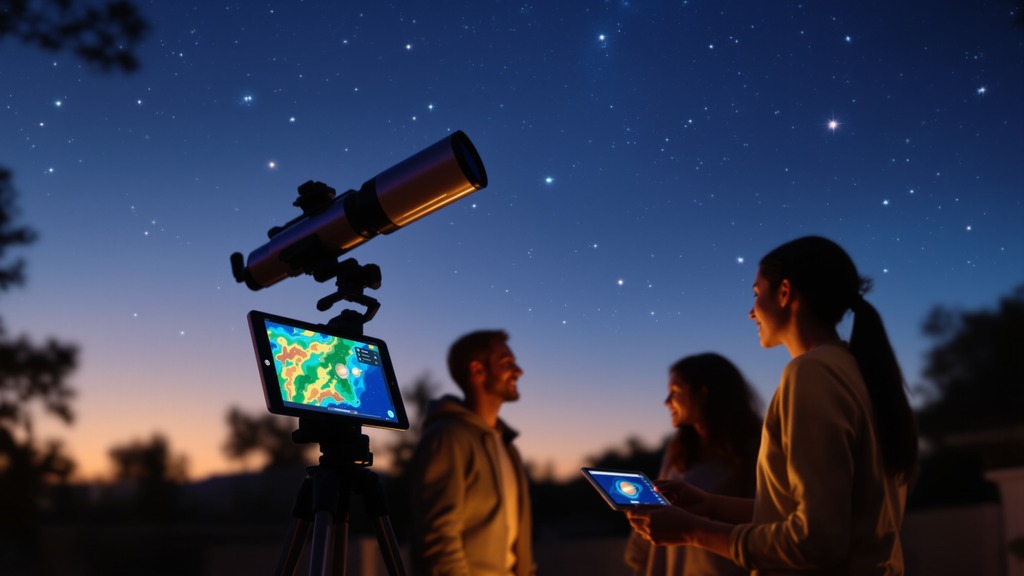
For generations, amateur astronomy has rewarded patience and practice. Observers learned to level tripods, align mounts, read star charts, identify faint targets, and compensate for Earth’s rotation. These skills remain valuable, but they can also create a steep barrier for beginners. A family may spend more time configuring a telescope than observing the Moon, planets, or deep-sky objects.
Smart telescopes are changing that experience by combining motorized optics, sensors, computer vision, and mobile applications. Automated alignment can use GPS, motion sensors, and a wide-field camera to determine where the instrument is pointed. Object-recognition software can compare a telescope’s view with astronomical catalogs, helping users identify what they see. With a connected app, selecting Saturn or the Orion Nebula can initiate a guided sequence of slewing, focusing, and tracking. This approach does not remove curiosity; it puts more of the night sky within reach. For families, educators, and new hobbyists, smart telescopes turn setup into a short step on the way to discovery.
What Computer Vision and Computational Imaging Improve
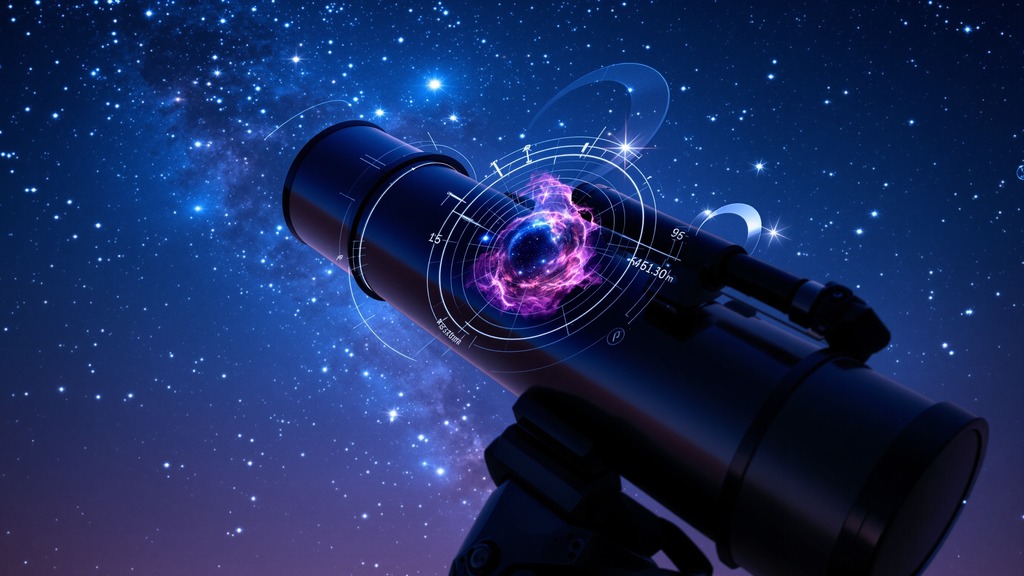
The central advantage of smart telescopes is coordination. Computer vision helps the instrument recognize star patterns and estimate its orientation, reducing the trial-and-error associated with manual alignment. Once a target is selected, software can control the mount, refine focus, and track the object as it moves across the sky. Weather information, light-pollution data, and astronomical catalogs can further guide users toward realistic targets for a particular evening.
Computational imaging adds another layer. By capturing and combining multiple exposures, a smart telescope can reveal detail that is difficult to see in a single frame, particularly in dim nebulae or distant galaxies. Image enhancement can improve contrast and color while preserving a relationship to the underlying observation. These capabilities also make sharing easier: observers can save images, annotate targets, and explain discoveries through an app. For a platform such as Celestara Systems, the opportunity is to unite hardware, software, and education in one workflow. The result is not simply a telescope with automation, but an interactive instrument that helps users understand both what they are seeing and how the image was created.
Smarter Does Not Mean Replacing the Observer
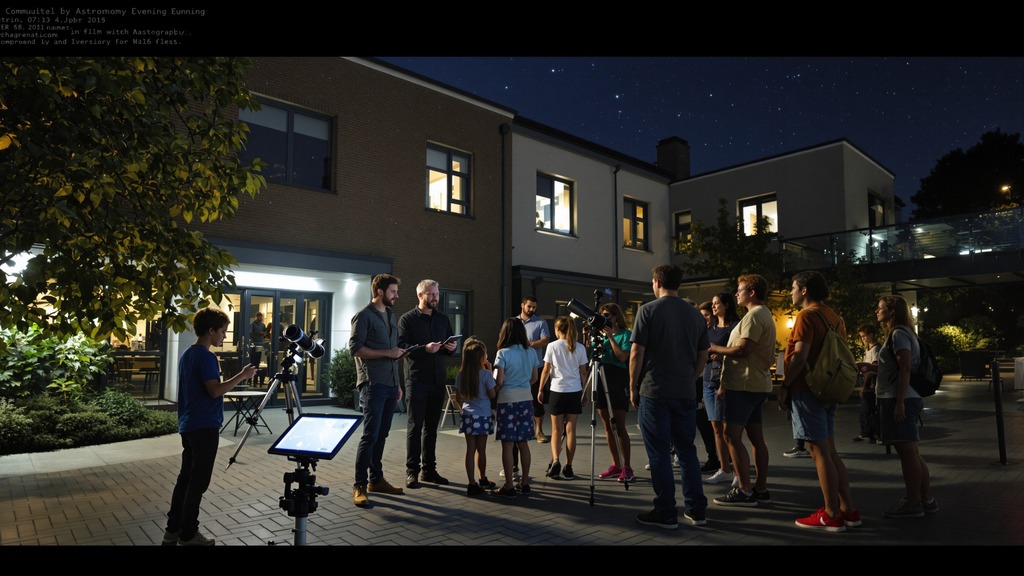
The rise of smart telescopes does not make traditional astronomy obsolete. Experienced observers may still prefer manual mounts, interchangeable eyepieces, highly specialized optics, or the tactile challenge of locating an object without assistance. Direct optical viewing also remains important: a screen can show enhanced detail, but it does not fully reproduce the personal experience of looking through an eyepiece under a dark sky. Smart systems work best when they support observation rather than hide the instrument’s limitations.
Their broader impact is likely to be cultural as much as technical. Beginners can build confidence quickly, educators can lead structured lessons, and science clubs can share targets and images without requiring every member to master complex setup procedures. Astrophotographers gain efficient tracking and a practical starting point for image capture, while families can turn a short evening into a shared learning experience. As the smart telescope category matures, success will depend on reliable hardware, transparent image processing, accessible software, and respect for authentic observation. The future of amateur astronomy may therefore be hybrid: more automated, more connected, and still driven by the timeless desire to look up and understand the universe.